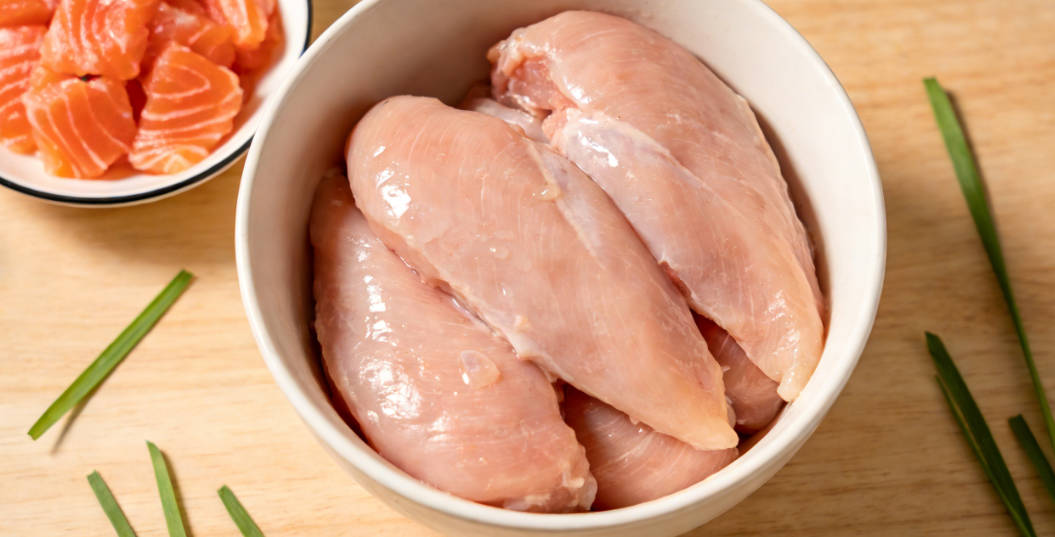
Essential Nutrition for Cats: What Your Cat Really Needs
Author: Emma Johnson
Category: Cat Health & Nutrition
### 1. What Carbohydrates Do Cats Need?
**Carbohydrates** are organic compounds made of carbon molecules called monosaccharides. Carbohydrates broken down in the body for energy are often referred to as "sugars," while carbohydrates that are not digested but fermented by gut bacteria are considered **dietary fiber**.
Carbohydrates are mainly absorbed by the brain and muscles for energy. Excess fats are stored in fat and muscle cells under the action of insulin. During fasting, protein (muscle) and fat (lipid) are broken down, and glucose is produced as an energy source. One gram of carbohydrate provides about 4 kcal. Common sources include sugar, rice, starch, corn, and potatoes.
Cats do not have a defined carbohydrate requirement, but diets with up to 35% carbohydrate (dry matter) are generally digestible. Diets over 40% may cause high blood sugar, glucose in urine, diarrhea, bloating, and gas.
**Carbohydrates in Cats**
Cats are not primarily dependent on carbohydrates. Historically, they mainly ate rodents like mice, which contain minimal carbohydrates (about 1.2% carbohydrates, 55% protein, 38% fat). Cats have some ability to digest carbohydrates, but meat remains the main source of nutrients, and the small amount of carbohydrate in prey is generally manageable.
**Types of Carbohydrates**
- **Monosaccharides:** Simple sugars that cannot be further hydrolyzed, e.g., glucose, fructose, galactose. Glucose is a key energy source for the brain and muscles. Cats have limited enzyme activity for glucose and fructose metabolism, which is why they are considered obligate carnivores.
- **Disaccharides:** Formed from two monosaccharides, e.g., sucrose (glucose + fructose), lactose (glucose + galactose), maltose. Cats lack sweet taste receptors and many adults lack lactase, causing lactose intolerance.
- **Polysaccharides:** Many monosaccharides linked together, e.g., starch in plants and glycogen in animals. Cats’ saliva lacks amylase, so starch digestion is limited. Extruded dry food processes improve starch digestibility.
**Dietary Fiber**
Fiber includes cellulose, pectin, hemicellulose, MOS (mannan oligosaccharides), FOS (fructooligosaccharides), and inulin. Cats cannot digest β-linked glucose bonds, but gut bacteria can ferment fiber into short-chain fatty acids (SCFAs), supporting colon health, regulating digestion, and producing vitamins and other metabolites. Excess fiber can cause diarrhea and gas; moderation is key. In cats, SCFAs contribute <5% of total energy, unlike herbivores, where it can reach 75%.
### 2. What Proteins Do Cats Need?
**Proteins** are macromolecules made of amino acids, which build tissues, muscles, and hormones. Protein provides ~4 kcal per gram. Major sources include lean meat, fish, eggs, dairy, and soy.
**Essential Amino Acids**
Cats require 11 essential amino acids and 2 semi-essential amino acids, which cannot be synthesized sufficiently internally:
- **Valine:** Found in cheese, fish, chicken, beef, peanuts, sesame, lentils
- **Leucine:** Milk, yogurt, seaweed, beef, eggs, bread, soy
- **Isoleucine:** Supports muscle function and reduces exercise fatigue
- **Lysine:** Prevents niacin deficiency; found in leafy greens and legumes
- **Threonine:** Cheese, chicken, fish, lentils
- **Methionine:** Lowers cholesterol and oxidative stress; found in meats, garlic, peas, cheese, nuts
- **Histidine:** Supports fat metabolism and neurotransmitters; high in tuna
- **Tryptophan:** Meat, fish, beans, seeds, nuts, dairy
- **Taurine:** Supports digestion and nervous system; found in meat, fish, milk
- **Arginine:** Detoxifies ammonia, promotes immunity and collagen formation; found in meat, nuts, soy, shrimp
**Semi-essential Amino Acids**
- **Cysteine:** Red peppers, broccoli, kale, oats, wheat germ
- **Tyrosine:** Abundant in animal protein, precursor to neurotransmitters
Protein needs for cats are higher than dogs: 3-5 g/kg body weight. Cats metabolize carbohydrates poorly but maintain high protein-to-glucose conversion, making protein crucial.
### 3. What Fats Do Cats Need?
**Lipids (Fats)** are hydrophobic compounds including triglycerides, phospholipids, cholesterol, and cholesteryl esters. Fats provide 9 kcal per gram and are found in meat, butter, cream, egg yolks, and oils.
**Types of Fats**
- **Simple lipids:** Triglycerides (main dietary fat)
- **Fatty acids:** Saturated (solid at room temperature, mostly in meat) and unsaturated (liquid at room temperature, in plants and fish)
**Essential Fatty Acids**
Cats cannot synthesize some fatty acids and must obtain them from food:
- **Linoleic acid:** Energy and precursor of arachidonic acid
- **α-Linolenic acid:** Energy and precursor of EPA/DHA
- **Arachidonic acid:** Essential for energy and cellular function; mainly in animal tissues
- **EPA and DHA:** Retinal and neurological development, membrane fluidity
### 4. What Vitamins Do Cats Need?
**Fat-soluble vitamins**
- **Vitamin A:** Maintains skin and mucosa; cats cannot convert β-carotene efficiently
- **Vitamin D:** Promotes calcium absorption; cats synthesize little via skin
- **Vitamin E:** Protects blood vessels
**Water-soluble vitamins**
- **Vitamin B1:** Converts carbohydrates to energy
- **Vitamin B2:** Supports skin, fur, and fat metabolism
- **Vitamin B6:** Supports teeth and skin metabolism
- **Vitamin B12:** Produces hemoglobin and amino acids
- **Niacin:** Supports circulation and hormone synthesis
- **Folate:** DNA and red blood cell synthesis
- **Vitamin C:** Cats synthesize it internally; supplementation unnecessary
### 5. What Minerals Do Cats Need?
Essential trace elements include:
- **Iron:** Oxygen transport in hemoglobin
- **Calcium:** Bone formation
- **Magnesium:** Muscle contraction
- **Phosphorus:** Works with calcium for bones and teeth
- **Zinc:** Activates enzymes, supports cell division
- **Sodium & Potassium:** Maintain vascular function
- **Iodine:** Thyroid hormone component
**Sodium Intake**
- NRC recommends 0.17–3.09 mg/kcal depending on age
- AAFCO minimum is 0.5 mg/kcal
- Safe daily intake keeps sodium in range to prevent kidney strain or other risks
### 6. How Much Water Do Cats Need?
- Fetal and young cats: 80–90% body water; adult cats: 60–70%
- Average daily requirement: 30 mL/kg body weight (e.g., 4 kg cat = 120 mL; 5 kg cat = 150 mL)
**Risks of Dehydration**
- Can lead to urinary diseases such as lower urinary tract issues, bladder stones, kidney stones
**Tips to Encourage Water Intake**
- Provide multiple water sources
- Keep water clean; change at least every 12 hours
- Mix water with dry food or slightly salted water if appropriate
- Moderate exercise can stimulate water intake
**Measuring Water Intake**
- Measure water added to a container and weigh remaining water after a period; subtract evaporation to calculate actual intake
**Water and Urinary Stones**
- Adequate water reduces relative supersaturation in urine, lowering risk of stone formation
- Ensure cats have access to sufficient water to prevent urinary issues
15 Comments
Michael Chen 08/01/2025, 14:45

The section on environmental enrichment was particularly helpful. I never realized how important it is to provide my cat with mental stimulation. I'm going to get some new toys this weekend!
Excellent advice about veterinary care. Regular check-ups are so important, even if your cat seems healthy. My cat had a dental issue that was caught early thanks to routine exams.
Great article! I've been a cat owner for years, but I still learned some new tips about grooming. My long-haired cat will definitely benefit from more regular brushing.